

Plav Darsen — Group AI Programs
Building conversational AI
through structured group work
Plav Darsen runs structured group programs for professionals who want to build real conversational AI systems — not just understand them in theory.
Founded in 2021 and operating across multiple countries, the service brings together participants who work collaboratively through each stage of AI system design: intent architecture, dialogue flow, model selection, and production deployment. Each cohort moves through the same structured process, supported by facilitators and by each other. The format deliberately avoids passive lecture-style delivery — every session involves active group problem-solving with realistic cases.
How the program is structured
Six interconnected modules move from problem framing to working system. Groups stay together through all of them — the continuity matters as much as the curriculum.
Intent Architecture
Participants map and structure user intent taxonomies for real-world dialogue domains before touching any model. Groups debate classification boundaries with cases drawn from actual deployments.
Dialogue Flow Design
Conversation trees, fallback strategies, and context-handling patterns are built collaboratively. Each group produces a working flow document reviewed by peers before proceeding.
Model Selection Lab
Comparing language models across latency, cost, and accuracy trade-offs for specific use cases. Groups run structured benchmarks rather than accepting vendor claims at face value.
Integration Patterns
Webhook design, API contract definition, and fallback orchestration are covered with working code examples. Participants implement connections to external data sources during group sessions.
Testing and Edge Cases
Structured adversarial testing sessions where one sub-group attempts to break another's dialogue system. Failure modes become shared learning rather than private embarrassment.
Production Readiness
The final module covers monitoring, drift detection, and retraining triggers. Participants define KPIs for their systems and set up logging before the cohort closes.
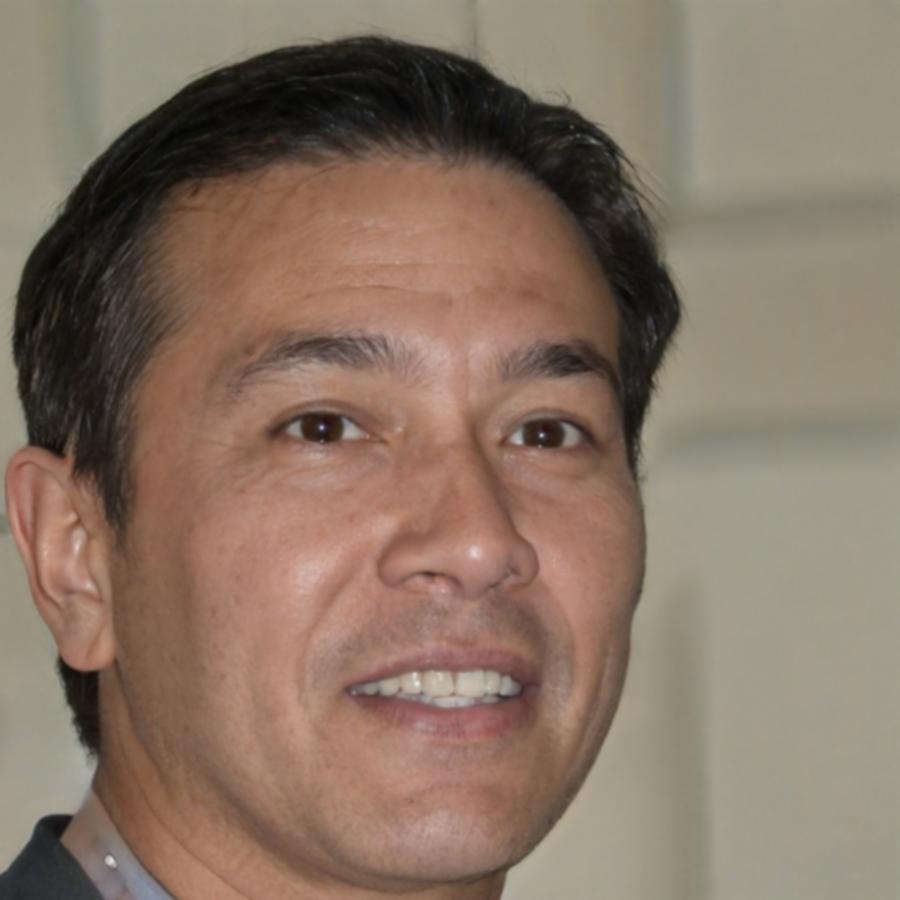
Orest Vynohradenko
Lead Facilitator
"Groups get further than individuals not because they know more, but because they catch each other's assumptions early."
The group format is the actual method
Most conversational AI failures happen not because of bad models but because of undiscovered assumptions in dialogue design. A solo developer rarely catches their own blind spots. A group of eight, working through the same problem from different angles, finds them quickly.
Plav Darsen keeps cohorts at eight to twelve participants deliberately. Large enough for genuine perspective diversity; small enough that every voice contributes to every session. Facilitators manage the process — they do not deliver content as lectures.